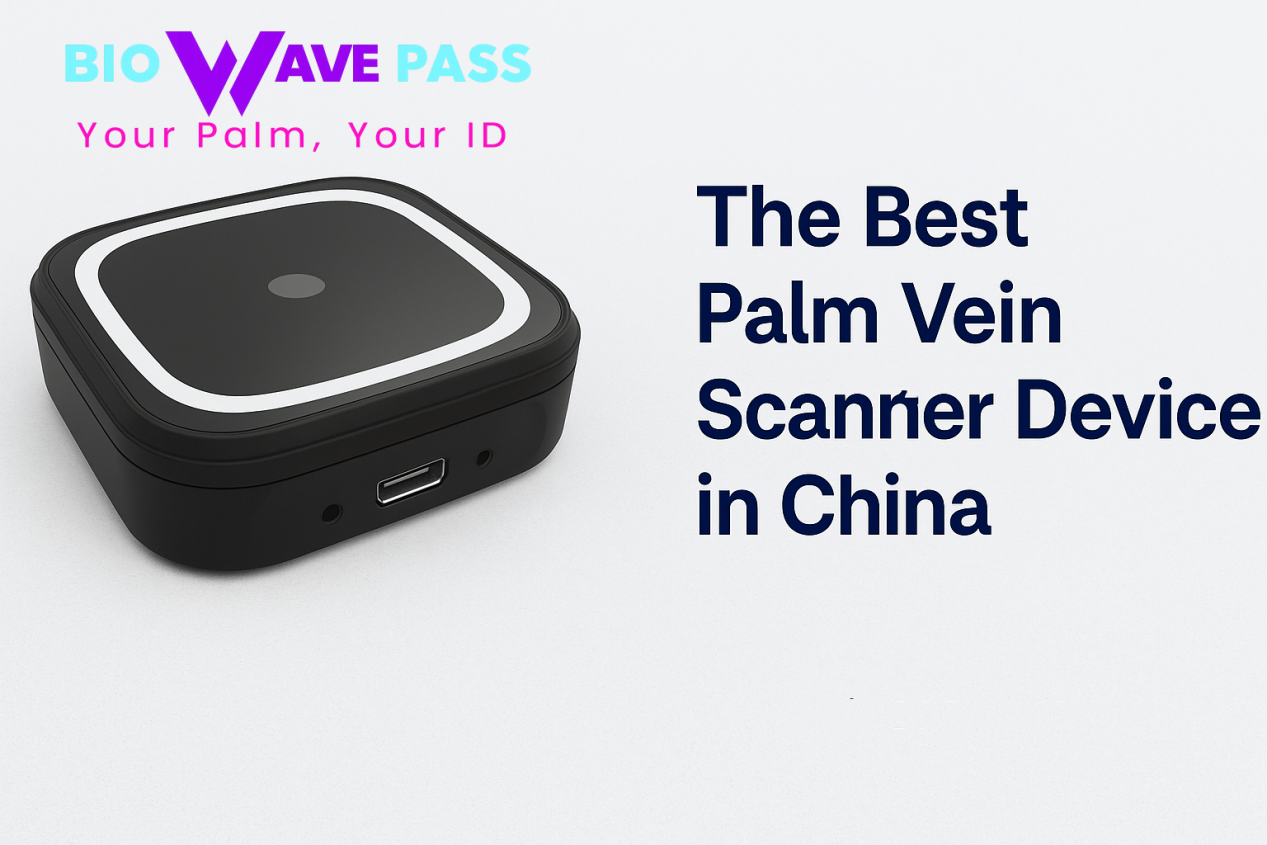
El mejor escáner de venas de la palma de la mano en China
En un mundo en el que la seguridad de la identidad ya no es opcional, BioWavePass está redefiniendo la autenticación biométrica - a través de avanzadas reconocimiento de las venas de la palma de la mano rápida, privada y diseñada para la complejidad del mundo real.
Desde autobuses escolares hasta terminales bancarias, BioWavePass permite interacciones de alta confianza con un solo gesto de la mano.
🌐 ¿Por qué Palm Vein? ¿Por qué ahora?
A diferencia de la biometría basada en la superficie, reconocimiento de las venas de la palma de la mano mapea los patrones de los vasos sanguíneos subcutáneos dentro de la palma de la mano. Estas características internas son:
- Imposible de observar desde el exterior
- Único para cada individuo
- No se ve afectado por el desgaste, la luz o el envejecimiento de la piel
Eso hace que biometría palmar ideal para sectores que requieren contacto cero, respeto a la intimidad especialmente en sanidad, tecnología financiera, educación y servicios civiles.
🚀 Lo que diferencia a BioWavePass
🔍 Imágenes biométricas de doble capa
BioWavePass utiliza sensores de doble espectro (RGB + IR) para captar tanto lo visible como lo invisible, garantizando que cada autenticación sea verificada por estructura superficial y flujo sanguíneo interno, simultáneamente.
Este enfoque de doble validación reduce drásticamente los falsos positivos y hace prácticamente imposible la suplantación de identidad.
🧼 Limpio, sin contacto, siempre listo
BioWavePass se diseñó desde el principio para ser no intrusivo:
- Sin contacto, sin manchas, sin desgaste
- Rápida respuesta de escaneado incluso en espacios públicos muy transitados
- Perfecto para entornos sensibles a la higiene como clínicas, laboratorios o autobuses escolares.
🧠 Diseñado para la inclusión a lo largo de la vida
| Grupo de edad | Vena Palmera (BioWavePass) | Otros datos biométricos |
|---|---|---|
| Niños (5+) | Fiable y estable | Huellas dactilares: calidad variable |
| Adultos | Alta precisión y durabilidad sin igual | Facial: inconsistente en la iluminación |
| Mayores | El envejecimiento ha efecto mínimo | Fingerprint/face: degraded by skin |
No more false rejections due to dry fingers, glasses, or aging features.
⚙️ Diseñado para el mundo real
- Tested with multi-million user databases
- Consistently delivers <1s match speed
- Integrates via RESTful API + local SDKs
- Flexible with cloud or on-prem deployments
Whether you’re launching a fintech app or managing hospital access control, BioWavePass is field-ready.
🛠️ De la evaluación al despliegue
- 🌐 Free remote test environment available
- 📦 Sample kits with SDK for MVP development
- 🤝 Regional support teams in India, West Africa, y Southeast Asia
- 🧩 Advisory support for new device integration
🔒 Listo para casos de uso de misión crítica
- Palm-based Payment Terminals
- Smart KYC Systems for banking and e-government
- Biometric School Bus Attendance
- Secure Hospital Admissions
Wherever trust, hygiene, and scale matter — BioWavePass delivers.
✅ Resumen
BioWavePass isn’t just another palm reader.
It’s an enterprise-grade biometric platform that balances:
- Security
- Speed
- Privacy
- Integration readiness
🧠 In identity, it’s not who touches the sensor — it’s who the sensor can trust.
📧 Want to explore a pilot or request SDK access?
PalmScanner #PalmVeinTechnology #BioWavePass #BiometricSecurity #TouchlessAccess #KYC #Fintech #HealthcareID #Edtech #B2BBiometrics #NextGenSecurity
Comparte este artículo
Sobre el autor

También le puede interesar
Palm Vein Payment Integration: Connecting Wallets, Checkout and Loyalty
Scaling Palm Vein Recognition from 100,000 to One Million Users: What Changes?
Small Model and Large Model Palm Vein Systems: What Developers Must Keep Separate
Can a Palm Vein SDK Capture Data Without an Algorithm Server?
Palm Vein Image Encryption: Why AES-256-GCM Alone Does Not Guarantee Compatibility
Large-Scale Palm Vein Recognition: How to Test the SDK and Plan for Growth
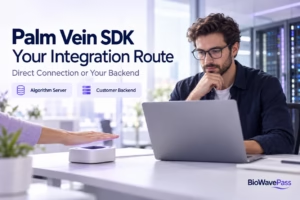
Palm Vein Payment SDK: Direct Algorithm Server Integration or Your Own Backend?
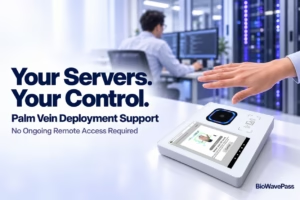
Palm Vein Deployment Support: Who Can Access Your Servers?
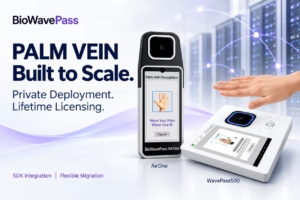
Scaling Palm Vein Payment: Single Server or Kubernetes Cluster?