What Is BioWavePass and Why Palm Vein Authentication Matters
As digital payments and identity systems continue to evolve, security and user experience have become equally critical. Passwords, PIN codes, and surface-level biometrics are increasingly exposed to fraud, leakage, and misuse. In response, a new class of biometric technology is gaining global attention: palm vein authentication.
BioWavePass is a technology brand dedicated to building palm vein–based identity and payment solutions designed for real-world deployment at scale.
The Challenge of Modern Digital Identity
Fintech platforms, banks, and enterprise systems today face common challenges:
- Identity fraud driven by stolen credentials and cloned cards
- User friction caused by complex authentication steps
- Limited scalability of traditional biometric methods
- Increasing regulatory and privacy expectations
Methods based on what users know or what users carry are becoming fragile. What modern systems require is an authentication approach that is secure by nature, private by design, and scalable by architecture.
Why Palm Vein Technology
Palm vein recognition uses internal vascular patterns beneath the skin as the biometric identifier. Unlike fingerprints or facial images, palm veins cannot be photographed, lifted, or replicated externally.
BioWavePass builds its solutions on RGB plus IR dual-mode palm vein imaging, enabling:
- Strong resistance to spoofing and replay attacks
- Stable recognition across varied lighting conditions
- Reliable performance as identity databases grow into the millions
- Enhanced privacy through internal biometric features
Palm vein authentication strengthens the identity layer at the core of payment, onboarding, and authorization workflows.
What BioWavePass Delivers
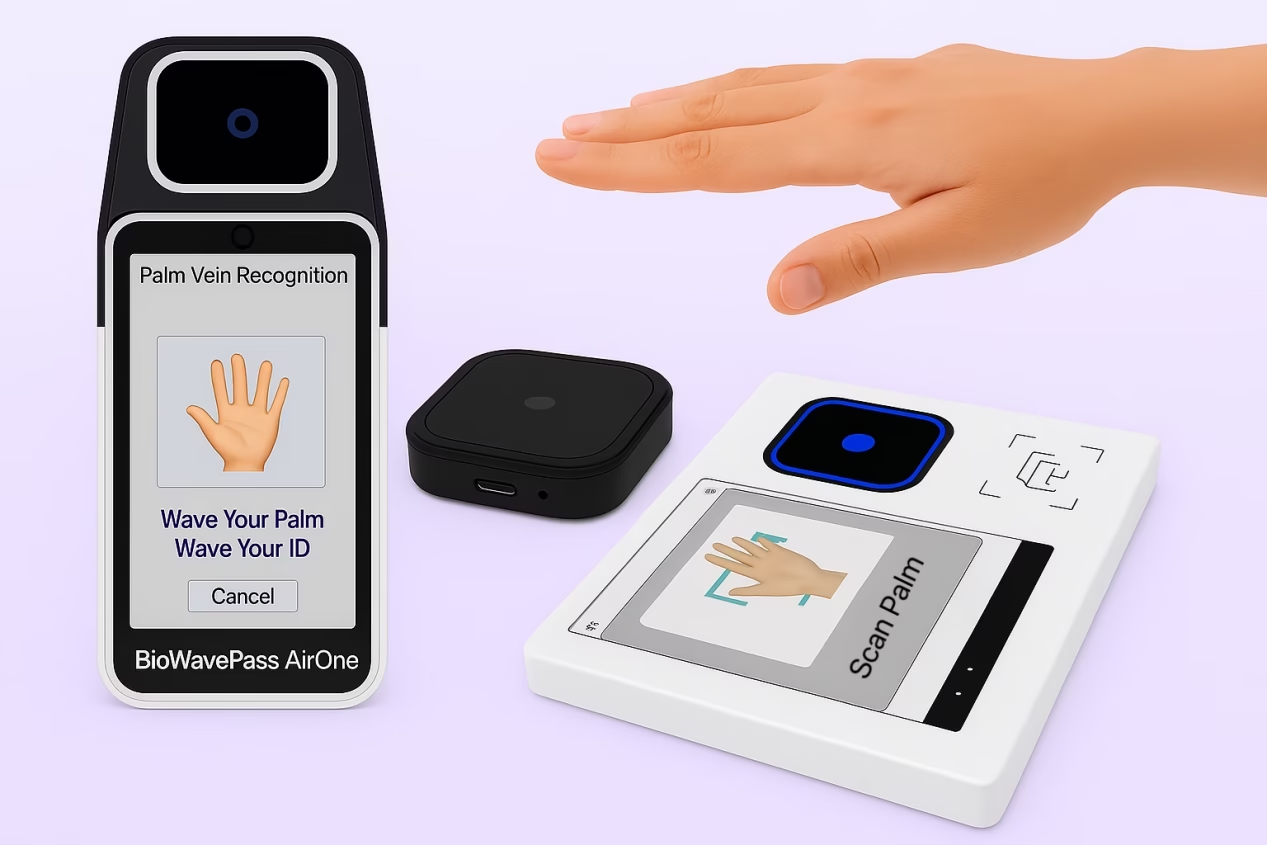
BioWavePass offers a complete portfolio of palm vein hardware designed for different deployment needs, all sharing one unified biometric architecture.
Mobile Palm Vein Payment Devices
Designed for field operations, mobile onboarding, and roaming agents, these devices combine palm vein authentication with payment capabilities and Android flexibility.
Fixed Palm Vein Terminals
Built for counters, kiosks, clinics, and service windows where high throughput and stable authentication are required.
USB Palm Vein Readers
Designed for system integrators and platform developers who want to embed palm vein authentication into existing software, identity APIs, or enterprise systems.
All BioWavePass devices are designed to work together within the same identity ecosystem, ensuring consistent performance across mobile and fixed endpoints.
Built for Platforms and Developers
BioWavePass solutions are designed with platform and development teams in mind. They support:
- SDK and API integration
- Android-based application environments
- Cloud or local matching architectures
- Pilot testing followed by scalable rollout
This makes BioWavePass suitable for both innovation teams and long-term production environments.
Real-World Use Cases
BioWavePass palm vein solutions are applied across multiple industries and scenarios, including:
- Fintech wallets and merchant payments
- Banking onboarding and e-KYC
- Government programs and benefit distribution
- Healthcare and enterprise identity verification
- Retail and service authentication points
In each case, palm vein technology enhances trust while keeping the user experience simple and contactless.
A Practical Approach to Biometric Adoption
BioWavePass is not positioned as a futuristic concept. It is designed for practical deployment, where hardware reliability, system compatibility, and operational scalability matter as much as biometric accuracy.
By focusing on palm vein authentication as a core identity layer, BioWavePass helps organizations reduce fraud, protect user privacy, and prepare their systems for the next generation of digital identity and payments.
Conclusion
As identity and payment systems continue to converge, the demand for secure and privacy-preserving authentication will only grow.
BioWavePass offers a clear and practical path forward.
Palm vein biometrics provide the security.
A unified device ecosystem provides the scale.
A platform-ready architecture provides the future.
Your palm.
Your identity.
Your payment.
Learn more from: https://www.biowavepass.com/
Share this article
About the Author

You might also like
Scaling Palm Vein Payment: Single Server or Kubernetes Cluster?
Before You Scale Palm Vein POS: A Terminal Management Checklist
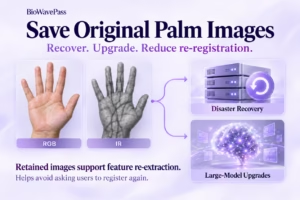
Why Saving Original Palm Images Matters for Biometric Recovery and Future Upgrades By BioWavePass
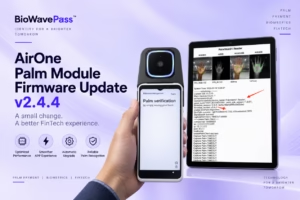
Optimizing Palm Payment Performance: AirOne Palm Module Firmware v2.4.4
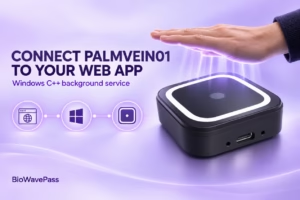
Bringing Palm Vein Scanning into a Web Workflow
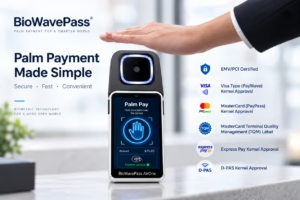
From Palm Payment MVP to Commercial Deployment: Building a Scalable Biometric Payment System
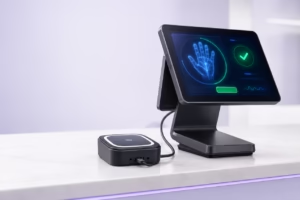
How to Integrate a USB Palm Vein Scanner with a POS Terminal
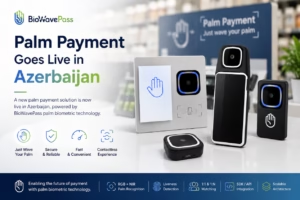
Palm Payment Goes Live in Azerbaijan: From Biometric Technology to Real-World Payment
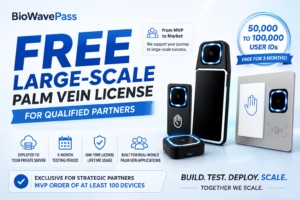
From MVP to Market: Scaling Palm Vein Technology with BioWavePass