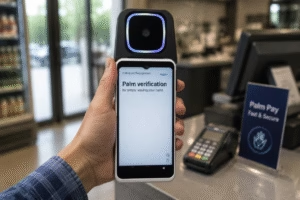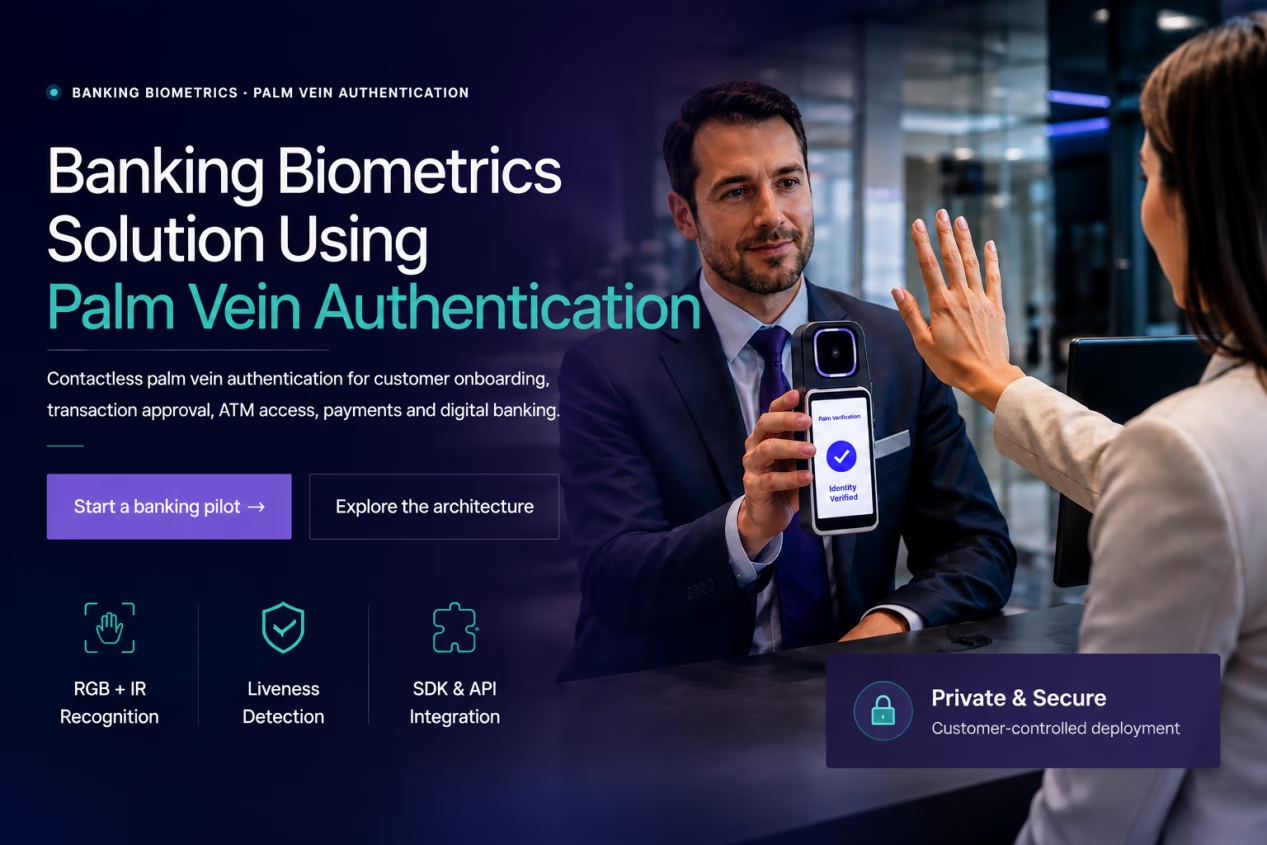
Palm Vein Authentication: The Future of Secure Digital Identity and Payments
Introducción
The way people authenticate their identity is changing.
For decades, digital services have relied on passwords, cards, and mobile devices. However, these traditional methods are increasingly challenged by fraud, identity theft, privacy concerns, and poor user experience.
Consumers today expect authentication to be not only secure, but also simple, fast, and natural.
Palm vein authentication introduces a new approach by using a person’s unique biological identity to create a secure, seamless, and contactless experience.
BioWavePass brings advanced palm vein technology to banking, payments, and digital identity applications, enabling a safer and simpler future.
From Passwords to Palm Identity
Traditional authentication methods have played an important role in digital services, but each technology has its own limitations.
| Traditional Method | Challenge |
|---|---|
| Passwords | Can be forgotten, stolen, shared, or exposed through data breaches |
| Cards | Can be lost, copied, or misused by unauthorized users |
| Mobile OTP | Depends on network availability and mobile device access |
| Fingerprint Recognition | Requires physical contact, may be affected by damaged or worn fingerprints, and is less suitable for some contactless applications |
| Reconocimiento facial | Can be affected by lighting conditions, camera quality, and privacy concerns |
Palm vein authentication provides a different approach by using the unique vascular patterns inside the human palm.
Unlike external biometric features, palm vein patterns exist beneath the skin and are difficult to replicate. Combined with contactless operation and advanced biometric algorithms, palm vein authentication delivers a secure, convenient, and user-friendly identity experience.
Why Palm Vein Authentication?
1. A Truly Personal Identity
Every person’s palm vein pattern is unique.
Unlike passwords or physical tokens, your palm cannot be forgotten, lost, or easily duplicated.
Palm vein authentication uses the unique biological characteristics of each individual, creating a trusted connection between the user and their digital identity.
2. Contactless and Natural Experience
The authentication process is simple:
- Present your palm
- The device captures your palm information
- Your identity is verified
- Access or payment is completed
No passwords.
No cards.
No physical contact.
This creates a natural interaction that fits seamlessly into everyday digital experiences.
3. Built for Digital Payments
The future of payments is moving toward faster and more convenient experiences.
Palm authentication can support:
- Palm payments
- Digital wallets
- Banking authentication
- Customer onboarding
- Loyalty programs
- Secure access
By connecting identity directly with payment, users can complete transactions with greater convenience and confidence.
Why Users Prefer Palm Authentication
Technology adoption depends not only on security, but also on user experience.
The first time users experience palm authentication, many are surprised by how simple and natural the process feels.
Unlike traditional authentication methods that require users to remember information or carry devices, palm authentication becomes part of a natural daily action.
A secure experience that is effortless is more likely to become a habit.
Once users experience the speed, convenience, and simplicity of palm authentication, many quickly develop a preference for this method and are more likely to choose it again for future transactions and services.
Seguridad desde el diseño
Security and privacy are essential requirements for digital identity and payment applications.
BioWavePass palm vein solutions are designed around a security-first approach.
Key principles include:
- Encrypted biometric templates
- Secure authentication processes
- Customer-controlled data management
- Flexible server deployment options
Palm vein technology provides a secure identity layer without requiring users to remember passwords or carry additional authentication devices.
The Future of Palm Payment
The future of payment is moving toward invisible and seamless transactions.
Customers do not want more steps.
They want faster, safer, and easier experiences.
Palm authentication creates a bridge between:
Security + Convenience + Trust
As financial services continue to evolve, biometric payment technologies will play an increasingly important role in creating trusted digital experiences.
Why Palm Vein Technology Is Different
Compared with traditional biometric technologies, palm vein authentication provides several unique advantages:
| Technology | Key Characteristics |
|---|---|
| Fingerprint | Familiar and widely adopted, but requires physical contact and depends on fingerprint quality |
| Reconocimiento facial | Convenient, but may raise privacy concerns and can be affected by environmental conditions |
| Palm Vein Recognition | Contactless, internal biometric pattern, difficult to replicate, and designed for secure identity verification |
Palm vein technology combines security, convenience, and user acceptance, making it a strong foundation for future digital identity applications.
BioWavePass: Bringing Palm Identity Into Everyday Life
BioWavePass develops palm vein biometric solutions designed for:
- FinTech
- Banking
- Digital payments
- Retail applications
- Digital identity
- Smart terminals
Our vision is simple:
Make identity secure, payment effortless, and technology natural.
The next generation of digital identity will not be defined by what people remember or what they carry.
It will be defined by who they are.
Learn more from: https://biowavepass.com/banking-biometrics/
Comparte este artículo
Sobre el autor

También le puede interesar
Bringing Palm Vein Scanning into a Web Workflow
From Palm Payment MVP to Commercial Deployment: Building a Scalable Biometric Payment System
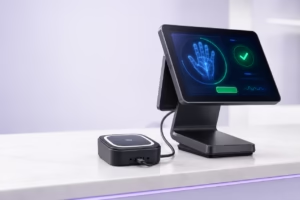
How to Integrate a USB Palm Vein Scanner with a POS Terminal
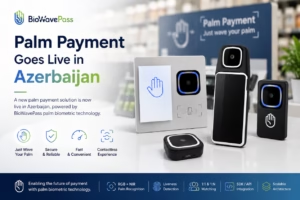
Palm Payment Goes Live in Azerbaijan: From Biometric Technology to Real-World Payment
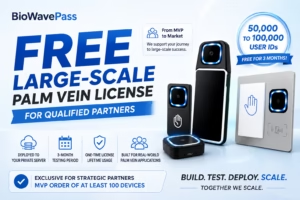
From MVP to Market: Scaling Palm Vein Technology with BioWavePass
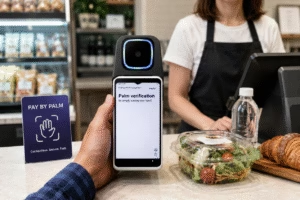
Palm Vein Payment: How Biometric Payments Work Without Cards or Phones
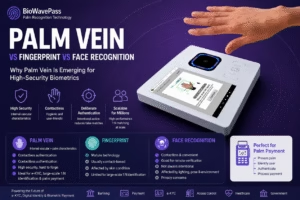
Palm Vein vs Fingerprint vs Face Recognition: Why Palm Vein Is Emerging for High-Security Biometrics
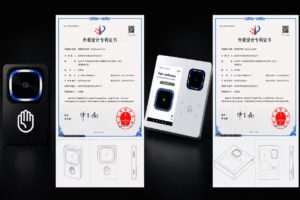
BioWavePass Palm Vein Scanner Products Receive Design Patent Certification
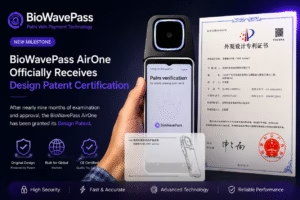
BioWavePass AirOne Portable Palm Vein Payment POS Terminal Receives Design Patent