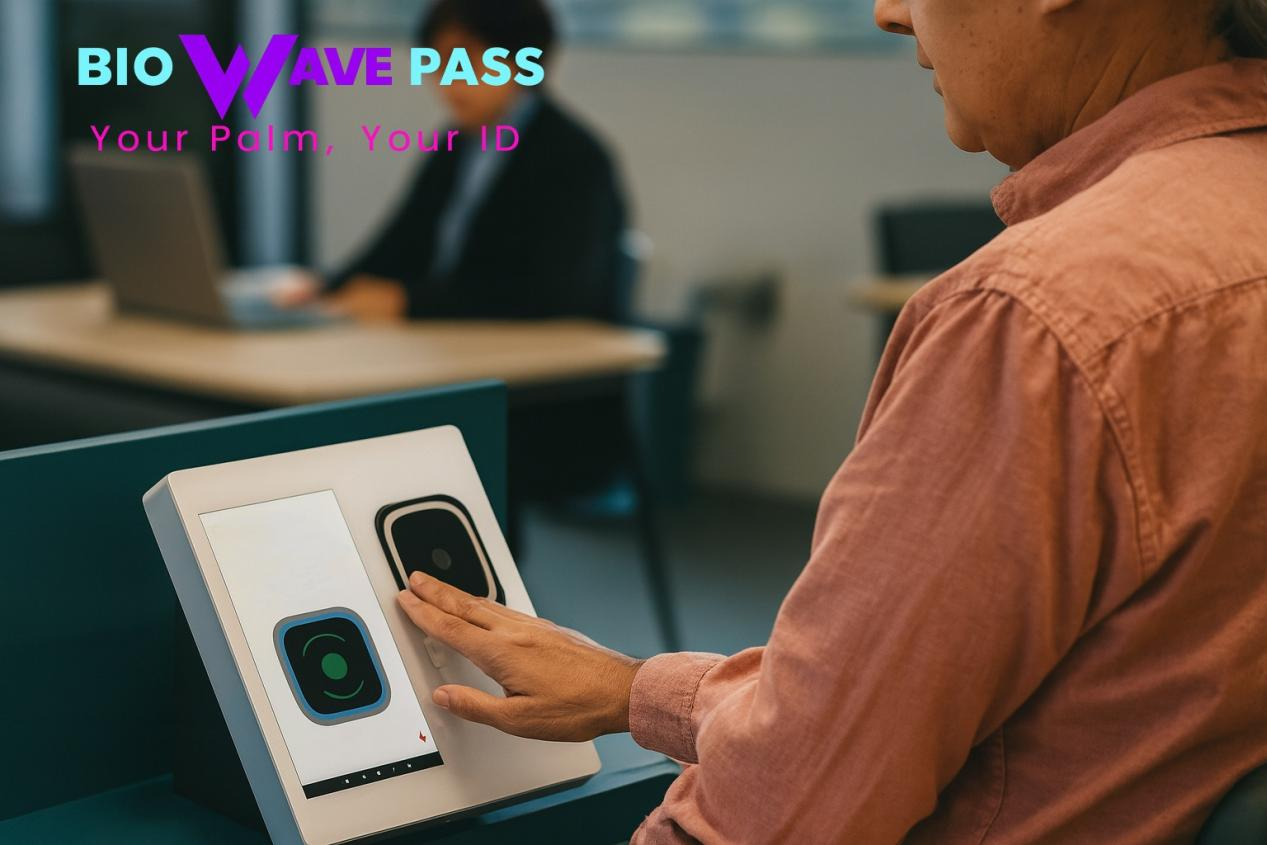
كيف يمكن أن تضمن الماسحات الضوئية البيومترية لراحة اليد توزيع الدعم الحكومي بشكل عادل؟
برامج الدعم الحكومي ضرورية للرعاية الاجتماعية، ولكنها تواجه تحديات مثل تزوير الهوية، وبطاقات الهوية القديمة، والمواطنين الذين ليس لديهم هواتف ذكية. يتطلب ضمان وصول الدعم إلى الأشخاص المناسبين حلاً آمناً وشاملاً في الوقت نفسه.
إن نظام نقاط البيع WavePass500 البيومترية يجمع مصادقة وريد راحة اليد مع توافق البطاقة المزدوجة, مما يجعلها مثالية لمشاريع "اعرف عميلك الإلكتروني" الحكومية.
التحديات في برامج الدعم
- الاحتيال والازدواجية: المستفيدون المزيفون يطالبون بالإعانات بشكل غير قانوني.
- بطاقات الهوية القديمة: لا يزال العديد من المواطنين بطاقات ISO7816 بطاقات الاتصال فقط.
- الفجوة الرقمية: لا يمتلك الجميع هواتف ذكية أو محافظ إلكترونية.
حل WavePass500
- مصادقة عرق النخيل: يكاد يكون من المستحيل تزويرها، مما يمنع التسجيلات المزيفة.
- دعم البطاقة المزدوجة: يقرأ كلاهما بطاقات IC (ISO7816) و بطاقات NFC غير التلامسية (ISO14443A).
- لا حاجة إلى هاتف ذكي: يمكن للمواطنين المطالبة بالإعانات من خلال كف اليد أو بطاقة الهوية.
الخاتمة
مع الماسح الضوئي WavePass500 البيومتري لراحة اليد, ، يمكن للحكومات تأمين برامج الدعم، وإدراج المواطنين الذين يحملون بطاقات هوية قديمة، وضمان التوزيع العادل والشفاف.
جهاز واحد، حلول متعددة - تصبح برامج الدعم أسرع وأكثر أماناً وشمولاً.
شارك هذه المقالة
نبذة عن الكاتب

قد يعجبك أيضاً
Palm Payment Goes Live in Azerbaijan: From Biometric Technology to Real-World Payment
Palm payment is moving from concept to commercial reality. A new palm payment solution has now officially launched in Azerbaijan, allowing registered consumers to authenticate payments simply by presenting their
From MVP to Market: Scaling Palm Vein Technology with BioWavePass
Palm vein technology is moving rapidly from proof-of-concept projects towards real-world commercial applications. For technology partners, successfully demonstrating palm vein recognition with a small number of users is only the
Palm Vein Payment: How Biometric Payments Work Without Cards or Phones
Payments have evolved from cash and magnetic stripe cards to contactless cards, smartphones, QR codes and digital wallets. The next step could be even simpler: Your palm becomes your authentication
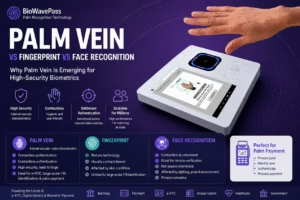
Palm Vein vs Fingerprint vs Face Recognition: Why Palm Vein Is Emerging for High-Security Biometrics
Biometric authentication is becoming an essential part of e-KYC, digital identity, banking, access control and biometric payment systems. Fingerprint and facial recognition are already widely used, but palm vein recognition
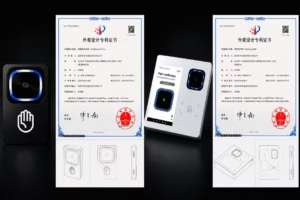
BioWavePass Palm Vein Scanner Products Receive Design Patent Certification
BioWavePass is pleased to announce that two of our key biometric hardware products, the PalmVein01 Pro Palm Vein Scanner and WavePass500 Palm Vein Recognition Device, have officially received their Design
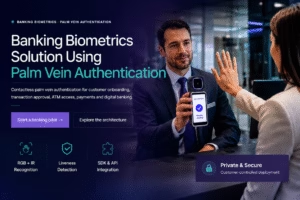
Palm Vein Authentication: The Future of Secure Digital Identity and Payments
Introduction The way people authenticate their identity is changing. For decades, digital services have relied on passwords, cards, and mobile devices. However, these traditional methods are increasingly challenged by fraud,
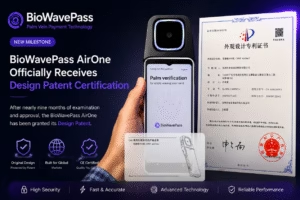
BioWavePass AirOne Portable Palm Vein Payment POS Terminal Receives Design Patent
Innovation is often measured by what customers can see. Originality is measured by what can be protected. We are proud to announce that the BioWavePass AirOne Portable Palm Vein Payment
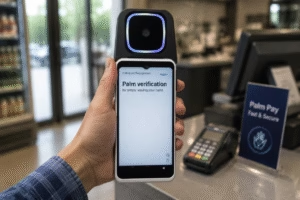
Beyond Authentication: How Palm Vein Technology Prevents Duplicate Digital Identities
As biometric technology continues to expand into palm vein payment, digital identity verification, banking, and FinTech platforms, one challenge is becoming increasingly important: How can organisations ensure that one biometric
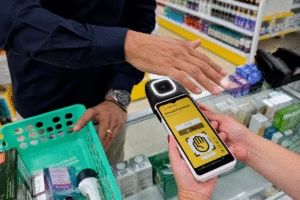
Palm Payment Goes Live in Brazil: A Major Milestone for the Future of Biometric Payments
The way people pay is evolving. Consumers increasingly expect payment experiences that are fast, secure, and effortless. As retailers continue investing in digital transformation, biometric authentication is emerging as one
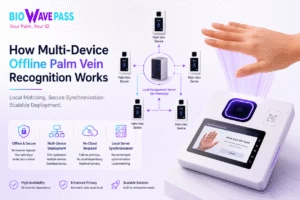
How Multi-Device Offline Palm Vein Recognition Works
Understanding Local Matching, Feature Template Synchronisation and Scalable Deployment When designing an offline palm vein recognition system, one of the first questions organisations ask is: If we deploy multiple palm