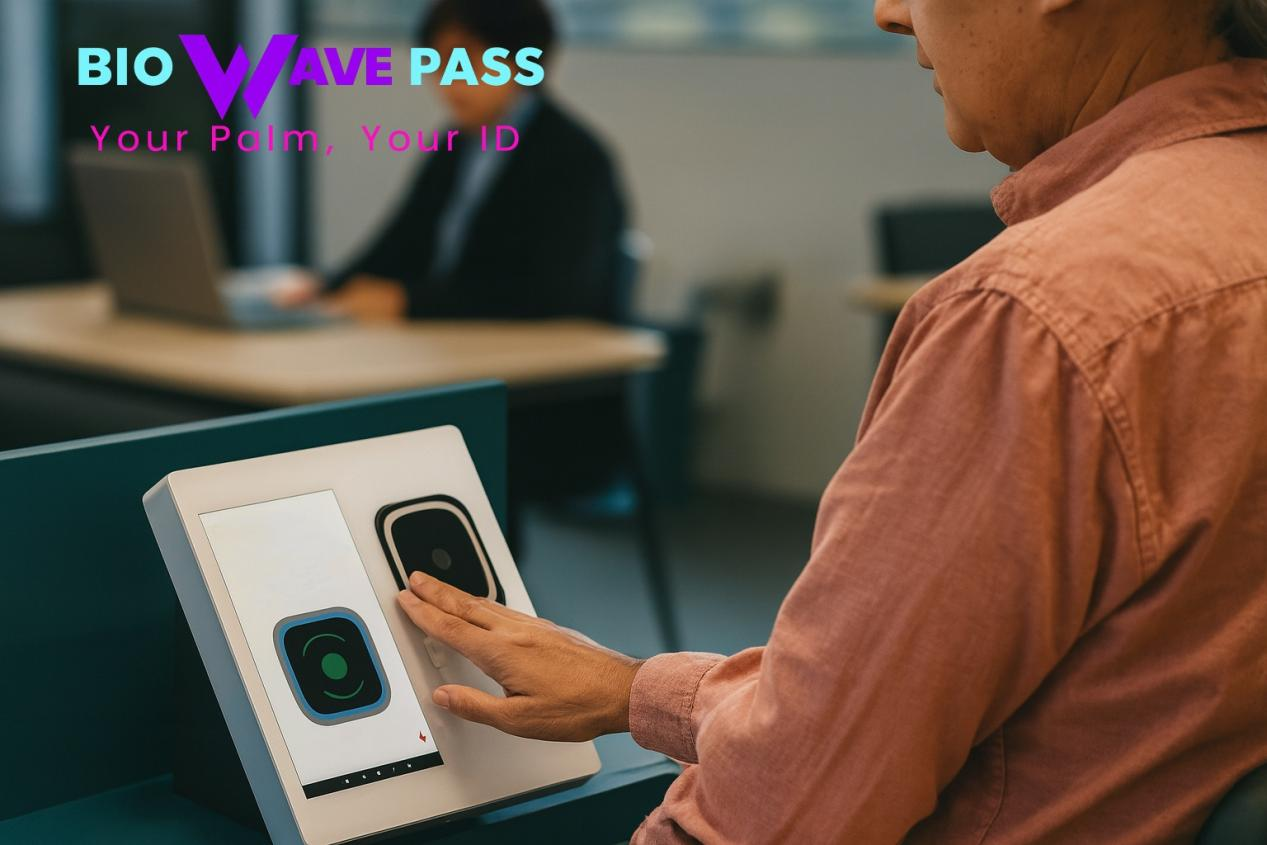
¿Cómo pueden los escáneres biométricos de la palma de la mano garantizar una distribución equitativa de las subvenciones públicas?
Government subsidy programs are essential for social welfare, but they face challenges like identity fraud, outdated ID cards, and citizens without smartphones. Ensuring subsidies reach the right people requires a secure yet inclusive solution.
En WavePass500 Biometric POS combines palm vein authentication with dual card compatibility, making it ideal for government eKYC projects.
Challenges in Subsidy Programs
- Fraud and Duplication: Fake beneficiaries claim subsidies illegally.
- Legacy ID Cards: Many citizens still hold ISO7816 contact-only cards.
- Digital Divide: Not everyone owns smartphones or e-wallets.
The WavePass500 Solution
- Palm Vein Authentication: Almost impossible to forge, preventing fake registrations.
- Dual Card Support: Reads both contact IC cards (ISO7816) y contactless NFC cards (ISO14443A).
- No Smartphone Needed: Citizens can claim subsidies with just their palm or ID card.
Conclusión
Con WavePass500 Biometric Palm Scanner, governments can secure subsidy programs, include citizens with legacy IDs, and ensure fair and transparent distribution.
One device, multiple solutions — subsidy programs become faster, safer, and more inclusive.
Comparte este artículo
Sobre el autor

También le puede interesar
Can a Palm Vein SDK Capture Data Without an Algorithm Server?
“We already have our own backend. Can the terminal simply scan a palm and return the biometric data for us to process?” This is a practical question for teams building
Palm Vein Image Encryption: Why AES-256-GCM Alone Does Not Guarantee Compatibility
Your development team has implemented AES-256-GCM encryption. The algorithm server also uses AES-256-GCM. Yet an encrypted palm image still fails to process. Why? Using the same encryption algorithm does not
Large-Scale Palm Vein Recognition: How to Test the SDK and Plan for Growth
Before investing in a large-scale palm vein recognition system, product and development teams need to answer a practical question: How can we test the technology before purchasing an algorithm licence?
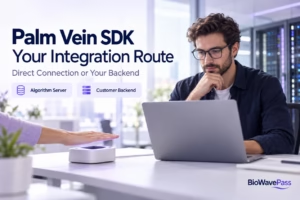
Palm Vein Payment SDK: Direct Algorithm Server Integration or Your Own Backend?
BioWavePass’s large-scale palm vein SDK supports two integration routes: connecting directly to the Algorithm Server, or connecting through your own backend. Both require a valid server URL and the response
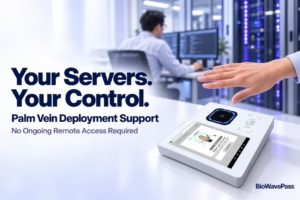
Palm Vein Deployment Support: Who Can Access Your Servers?
Before introducing palm vein authentication into a production environment, IT teams need to know who will access their servers, what permissions are required and whether that access will continue after
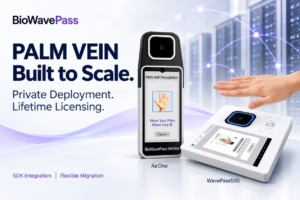
Scaling Palm Vein Payment: Single Server or Kubernetes Cluster?
A palm vein payment pilot may begin with a few terminals and a limited group of users. As the project grows, one infrastructure question becomes increasingly important: Should your palm
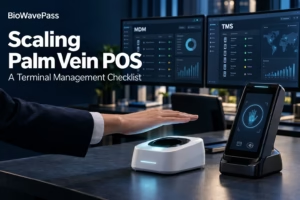
Before You Scale Palm Vein POS: A Terminal Management Checklist
Your pilot has demonstrated the user experience. The next question is how to operate the terminals across multiple locations. Who will prepare new devices? How will applications be distributed? What
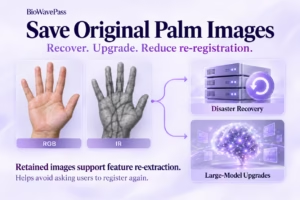
Why Saving Original Palm Images Matters for Biometric Recovery and Future Upgrades By BioWavePass
A successful Palm Vein Recognition deployment needs to support more than today’s matching requirements. It should also be prepared for server failures, lost biometric feature data and future algorithm upgrades.
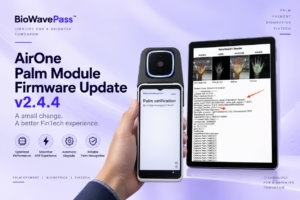
Optimizing Palm Payment Performance: AirOne Palm Module Firmware v2.4.4
In a palm payment system, recognition accuracy is important, but the overall user experience also depends on how efficiently the biometric technology works together with the payment application. BioWavePass has
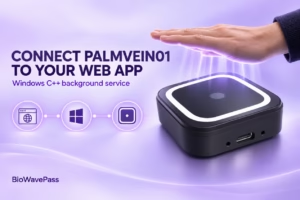
Bringing Palm Vein Scanning into a Web Workflow
Web applications are effective at managing users and business workflows. Connecting one to a USB palm vein scanner requires an additional software layer, because BioWavePass does not currently provide a