Como é que a conformidade bancária pode impulsionar a inovação nos pagamentos com palma?
O puzzle da conformidade bancária
Trabalhar com bancos nunca é simples. As instituições financeiras devem seguir PCI DSS regulamentos e Certificação EMV/PCI para proteger os dados e garantir a confiança. Estas certificações não são meras formalidades - são a espinha dorsal de transacções seguras e essenciais para que os bancos considerem novas tecnologias como Pagamento com palma da mão.
O desafio do hardware oculto
Mesmo com hardware certificado, a implementação real enfrenta frequentemente obstáculos:
- Os dispositivos POS móveis podem não fornecer corrente de saída USB suficiente para alimentar os dispositivos biométricos.
- As portas USB são frequentemente partilhadas entre o carregamento e os periféricos, obrigando os utilizadores a desligarem-se durante o carregamento.
- Em ambientes de elevada procura, como salas de bancos ou quiosques de subsídios governamentais, o tempo de inatividade torna-se dispendioso.
Soluções de engenharia BioWavePass
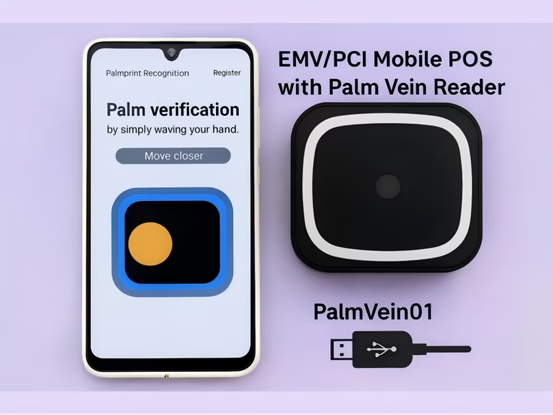
Em BioWavePass, personalizámos o nosso Banco com certificação EMV/PCI POS móvel para resolver exatamente estes problemas. Ao modificar a corrente de saída USB, o POS pode ligar-se diretamente ao PalmVein01 Leitor de veias da palma da mão USB, garantindo uma autenticação biométrica estável.
Isto permite:
- Palm Payment (Pagar com a mão) juntamente com as transacções por cartão ou telemóvel.
- Fluxos de trabalho biométricos fiáveis para aplicações fintech e bancárias.
Opções de implementação flexíveis
Para apoiar diferentes casos de utilização bancária, o BioWavePass oferece:
- Configurações de dois dispositivos: trocar dispositivos para manter o tempo de atividade durante o carregamento.
- Desenhos de invólucros personalizados: integrar o PalmVein01 com o POS numa unidade portátil.
- Personalização da porta Pop-ping: fornecem energia dedicada ao Palm Reader, deixando a porta Type-C livre para carregamento.
✅ Conclusão
As parcerias bancárias exigem mais do que conformidade - exigem inovação em engenharia. Ao redesenhar o hardware dos POS para a biometria da palma da mão, BioWavePass ajuda os bancos a implementar seguro, compatível e prático Sistemas de pagamento Palm.
Partilhar este artigo
Sobre o autor

Também pode gostar
Bringing Palm Vein Scanning into a Web Workflow
From Palm Payment MVP to Commercial Deployment: Building a Scalable Biometric Payment System
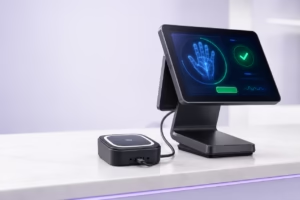
How to Integrate a USB Palm Vein Scanner with a POS Terminal
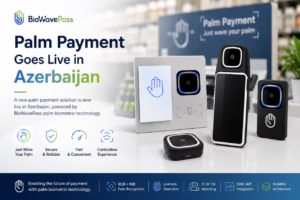
Palm Payment Goes Live in Azerbaijan: From Biometric Technology to Real-World Payment
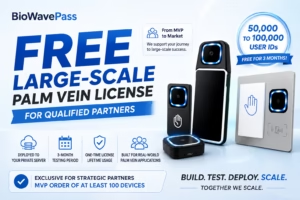
From MVP to Market: Scaling Palm Vein Technology with BioWavePass
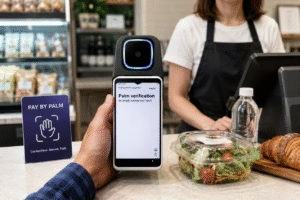
Palm Vein Payment: How Biometric Payments Work Without Cards or Phones
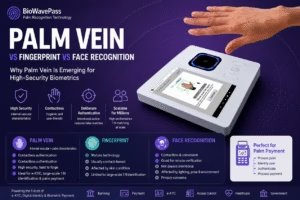
Palm Vein vs Fingerprint vs Face Recognition: Why Palm Vein Is Emerging for High-Security Biometrics
BioWavePass Palm Vein Scanner Products Receive Design Patent Certification
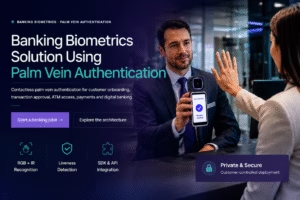
Palm Vein Authentication: The Future of Secure Digital Identity and Payments