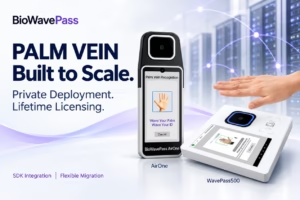
How Do You Launch Palm Vein Payment and eKYC on Your Own Cloud in Under an Hour?
The next evolution of digital identity is here — Palm Vein Technology.
But most enterprises hesitate because they believe launching Palm Vein Payment or eKYC systems requires long integration cycles, high licensing costs, and complex compliance reviews.
That’s no longer true.
With BioWavePass, your team can deploy a fully functional Palm Vein Payment and eKYC system on your own private cloud in under an hour — secure, compliant, and production-ready.
🎯 What Outcome Should Fintech and Government Teams Target?
Every enterprise wants the same result:
✅ A secure, compliant, and scalable biometric pilot that runs entirely on their infrastructure.
BioWavePass delivers exactly that — combining the Biometric Palm Vein Scanner with the Palm Vein Technology SDK, so you can own your data, validate performance, and control every layer of the system.
⚙️ The Quick Rollout Recipe (Under 1 Hour)
Here’s how you can build your first Palm Vein Payment or eKYC MVP — fast:
1️⃣ Provision your private cloud (AWS, Azure, or on-prem server)
2️⃣ Follow the setup manual — complete deployment in about 7 minutes
3️⃣ Enroll users and test Palm Vein Feature ID matching via the SDK
4️⃣ Review logs, latency, and accuracy metrics within your own infrastructure
You’ll go from zero to a live biometric validation environment — all in under one hour.
🔒 Why “Privacy by Design” Matters
In regulated industries like banking, fintech, and public sector eKYC, compliance is non-negotiable.
The BioWavePass SDK ensures all biometric templates, palm features, and verification logs remain inside your servers.
✅ No external processing
✅ No PII transfer
✅ No data leakage risks
This approach keeps audits simple and compliance officers happy — especially under frameworks like GDPR, ISO/IEC 19794, and PCI DSS.
🖐️ What Hardware and SDK Enable This?
The BioWavePass Palm Vein Solution combines high-precision hardware with developer-first SDK tools to make integration seamless.
Palm Vein Scanner Highlights:
- Dual RGB + IR imaging for true liveness detection
- Sub-second recognition (≈0.35s) with 99%+ accuracy
- AES-256-CBC encryption for data security
- USB, OTG, and RS232 interface support
Palm Vein Technology SDK:
- Stable APIs for enroll, match, revoke, and update
- Built-in Flutter Plugin SDK for rapid cross-platform app development
- Sample apps and code snippets for fintech, eKYC, and POS integration
- Cloud and on-prem matching support
🔄 Does It Support Legacy Workflows?
Yes — the BioWavePass WavePass500 series is designed for hybrid environments.
You can run palm authentication alongside traditional card-based payments:
- ISO7816 Contact Smart Cards
- ISO14443A/B NFC and Contactless Cards
This ensures a smooth migration from legacy banking systems to palm-first digital identity frameworks — without excluding existing customers.
🧩 How Do You De-risk the Decision?
Not sure where to start?
BioWavePass includes a free 10,000-ID cloud matching license for MVP testing.
You can:
- Simulate real user volumes
- Measure latency under live load
- Validate matching accuracy
- Optimize infrastructure sizing
All before committing to full-scale deployment.
✅ Conclusion: Biometric Readiness in Under One Hour
With BioWavePass, launching Palm Vein Payment and eKYC doesn’t take months — it takes minutes.
You can deploy in 7 minutes, validate in 1 hour, and scale confidently — all under your own compliance and infrastructure control.
Fast. Secure. Developer-Friendly.
That’s what makes BioWavePass Palm Vein Technology the foundation of the next generation of payment and identity systems.
Learn More: Palm-Payment-Technology
Share this article
About the Author

You might also like
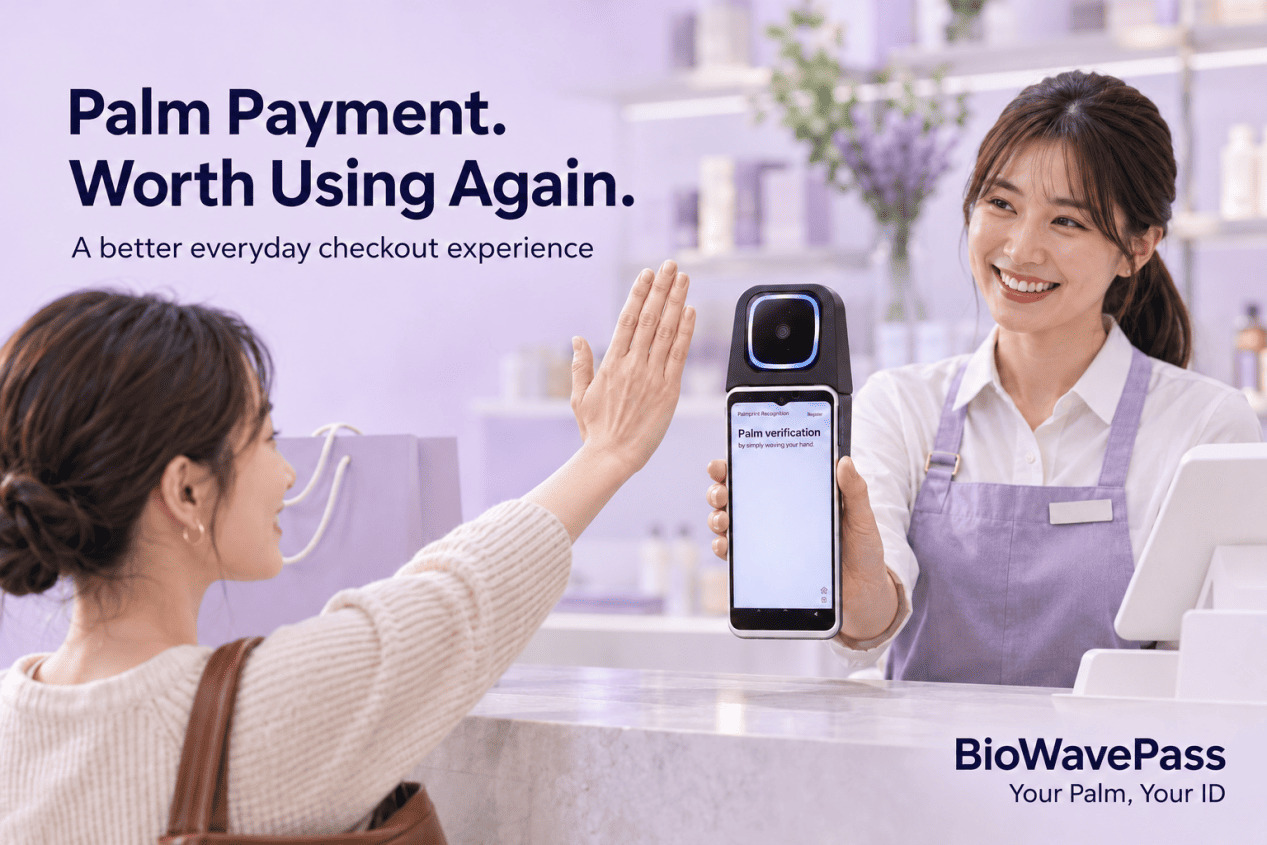
Palm Payment for Digital Wallets: What Makes Customers Use It Again?
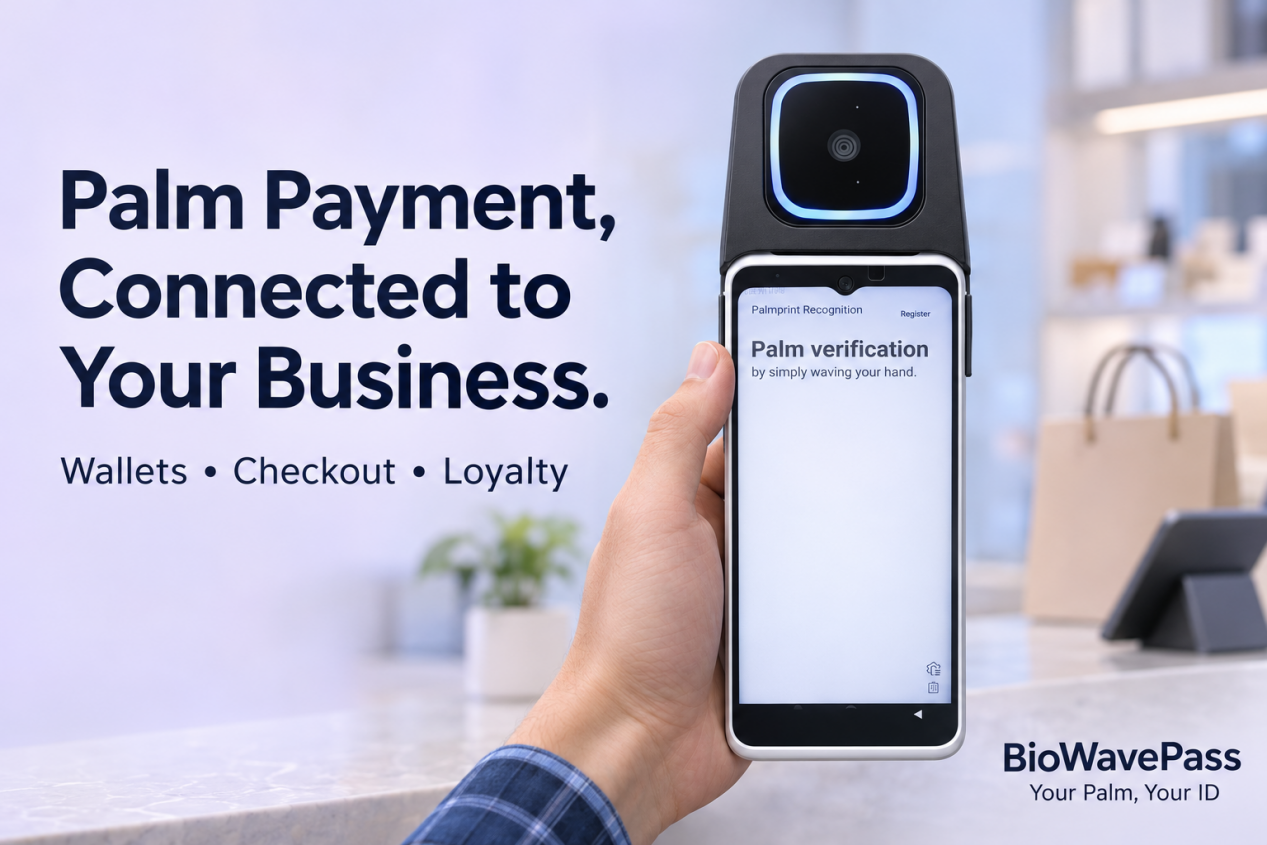
Palm Vein Payment Integration: Connecting Wallets, Checkout and Loyalty
Scaling Palm Vein Recognition from 100,000 to One Million Users: What Changes?
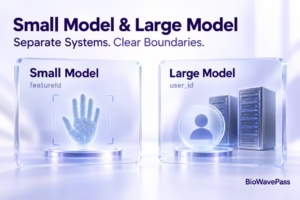
Small Model and Large Model Palm Vein Systems: What Developers Must Keep Separate
Can a Palm Vein SDK Capture Data Without an Algorithm Server?
Palm Vein Image Encryption: Why AES-256-GCM Alone Does Not Guarantee Compatibility
Large-Scale Palm Vein Recognition: How to Test the SDK and Plan for Growth

Palm Vein Payment SDK: Direct Algorithm Server Integration or Your Own Backend?
Palm Vein Deployment Support: Who Can Access Your Servers?